




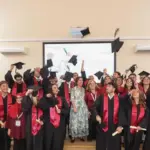





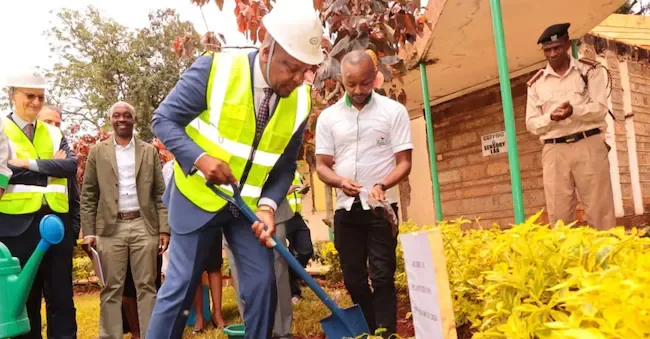
The first module of the Executive Programme in Coffee Innovation and Business concluded last week in Nairobi: a program that involved 25 Kenyan companies at the Coffee Research Institute (CRI) headquarters in Ruiru, Kenya, with the objectives of strengthening managerial and entrepreneurial skills along the supply chain, promoting innovation and transformation locally, increasing the “climate resilience of businesses and cooperatives,” and “facilitating market access and attracting sustainable investments.”
Read more Anti-money laundering, surge in reports: 90,200 in just six months
Ask the Sun
The questions are automatically suggested by 24Ore AI
based on the content viewed.
The initiative was developed within the scope of the ACT Coffee Programme (Advancing Climate-Resilience and Transformation in African Coffee) of the United Nations Industrial Development Organization or Unido, and falls within the dual framework of the Mattei Plan and the Global Gateway: the EU initiative responding to the Chinese Silk Road, with a package of 150 of its 300 billion euros allocated to infrastructure development in Africa. The main partner is E4Impact Foundation in collaboration with Università Cattolica del Sacro Cuore, illycaffè and Fondazione Ernesto Illy ETS, Alumni of the Master in Coffee Economics and Science – Ernesto Illy, Lavazza, Slow Food, the Coffee Research Institute and Dedan Kimathi University of Technology.
Read more Msc Cruises renews marketing agreement with Ac Milan
The goal of a “structural transformation of coffee”
Coffee is a vital industry in Kenya’s economy, with a supply chain of 800,000 farmers and exports of the arabica variety to at least 50 global markets. The ambition, according to a note released by the organizers, is to bring together “public institutions, development partners and the private sector in a single coordinated framework to promote a structural transformation of the African coffee supply chain.”
The starting countries identified are Ethiopia, Kenya, Uganda, Tanzania and Malawi, but the aspiration is to “extend to the entire continent,” strengthening “climate resilience,” encouraging “sustainable industrial development” and fostering “greater local value creation from production to export.” The program will consist of 236 hours and three modules. The debut module was dedicated to “innovations in coffee production and processing.” The second will focus on “innovations in distribution, branding and marketing,” the third on “development of an individual project or business plan with dedicated mentoring and final presentation before a jury composed of representatives of the partners.”
Read more SpaceX Starship: the thirteenth test flight crucial for investors and space programs