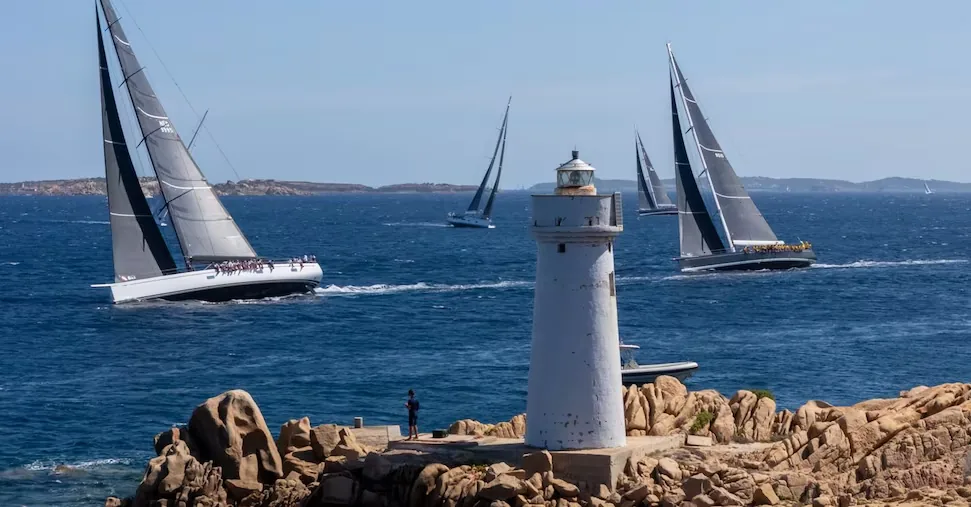

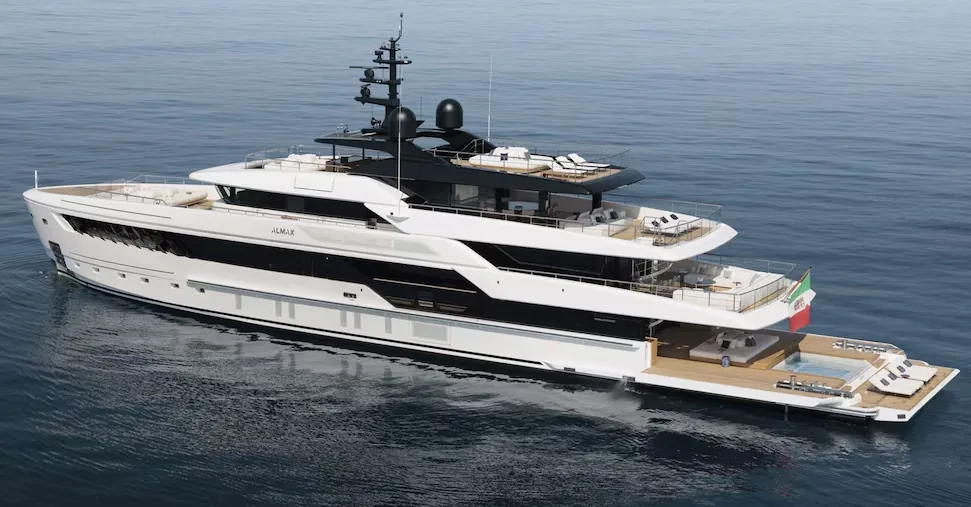
Sanlorenzo’s green path, that Road to 2030, which envisioned the construction of boats increasingly compatible with environmental protection, has come to a halt. And not because the owner of the luxury yacht group, Massimo Perotti, wanted it, but because the global geopolitical situation has imposed a stop on the production of green fuels and the creation of infrastructures to distribute them. But it is the entrepreneur himself who clearly states, «I won’t stand for it». And from Venice Climate Week, which began yesterday and runs until June 8, he launches a double challenge: to Europe and its institutions, asking them to align and act, to guarantee the availability of renewable fuels, particularly methanol and hydrogen, and infrastructures that allow the nautical sector to apply existing green technologies on yachts, which would already enable the installation of B-fuel engines on board, 70% methanol and 30% diesel. Perotti’s appeal to stakeholders, therefore, is to accelerate investments in alternative fuels, and it takes the form of a letter that the entrepreneur will deliver on Monday, June 8, to the European Commissioner for the Environment, Jessika Roswall, the day after a dinner held at the Casa Sanlorenzo cultural center.
Read more India, the economy is booming despite the war in the Middle East
Cavalier Perotti, in the absence of intervention from Brussels, will the shipyard’s Road to 2030 be blocked?
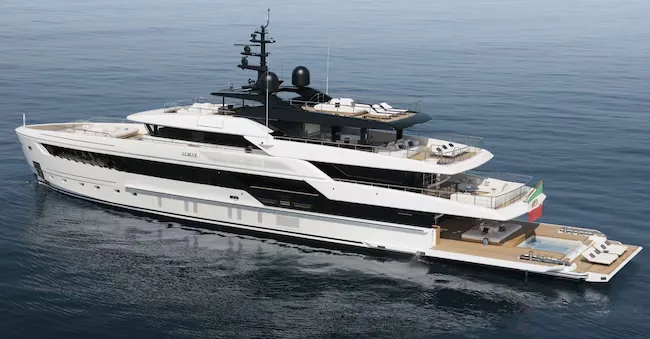
We already stopped it at the beginning of 2026. After the launch of the 50 Steel Almax yacht in 2024, the world’s first with a methanol fuel cell system, which I had purchased myself, we prepared the project for the construction of the 50-meter hull on which to mount B-fuel engines, but now we have stopped the construction of the boat. We had also activated an investment plan coming from Europe, which would have involved both Nanni Industries, which produces methanol generators, and the Italian importer of Man engines, and which financed, precisely, the realization of the generator and the engine, as well as, in part, the construction of the boat. But now everything is blocked because the market does not exist. If you go to a client today and tell them: I’ll make you a boat that is sustainable because, for 70%, it runs on green methanol, they will reply: I’m very pleased, but I won’t buy it because I don’t know where to refuel with green methanol. The problem is that there isn’t a sufficiently strong production to hypothesize, in the coming years, the distribution of this methanol: less than 1% of the global production of this type of product comes from renewable sources, with availability concentrated in large hubs like the ports of Rotterdam and Antwerp.
Read more Amendolara massacre, the report: «They wanted to kill us because we had asked for a contract»
So, you decided to appeal to Brussels.
Yes, and Venice Climate Week is a huge opportunity in this sense, because it gives us the chance to have over 100 scientists from all over the world, interested journalists, and the presence of European authorities. Today, if you want to go boating in the Mediterranean and refuel with a fuel other than diesel, you need to be sure that Spain, France, Greece, and former Yugoslavia distribute it, because otherwise you are forced to stay in Italy. In our country, in fact, we have already made progress: we are the most advanced in terms of regulation, precisely thanks to the fact that Sanlorenzo launched the first 50-meter yacht with a fuel cell in the summer of 2024, when no Mediterranean port yet distributed methanol; the following summer, moreover, after a winter in which we worked well with Confindustria Nautica and the Government, the protocols arrived. Meanwhile, however, in the last 16-18 months, the world has changed, to the point that the gentlemen of Blackrock, who are among the main US funds, the same ones who in 2021 had asked us to undertake a serious sustainability project, or they would have exited the company as investors, raised their hands in recent months and said: we were wrong, we are going back on sustainability.
Read more Fibercop, map of the relationship between infrastructure and ecosystems