







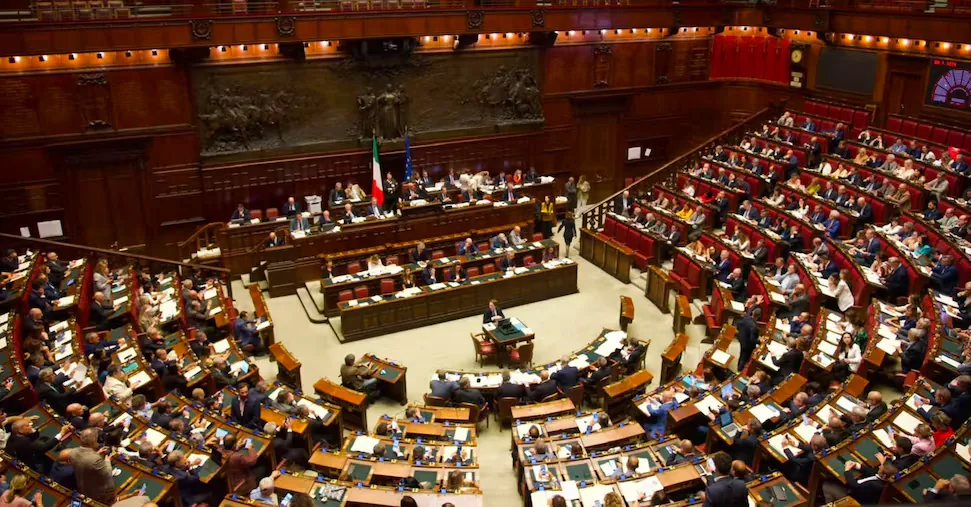
The rejection received on July 14 in the Chamber is seen as “a clear signal of a serious split within the majority,” but the Network against the electoral law is already looking to the future, moving on two fronts: a large mobilization across the country in the style of a justice referendum and dozens of appeals ready to be filed in the courts. Precisely to plan the next moves, an online meeting is scheduled for tomorrow evening, July 16, where the various entities that make up the newly formed ‘Network for a free and equal vote,’ which includes over thirty organizations, associations, committees of constitutionalists, journalists, lawyers, and citizens, will come together.
Read more The EU accepts X’s plan after the 120 million fine
Ask the Sun
The questions are automatically suggested by 24Ore AI
based on the displayed content.
Appeals in dozens of courts
“The appeals to be filed in dozens of courts are already ready should the law be definitively approved, with the aim of referring the acts to the Constitutional Court,” explains Roberto Zaccaria, coordinator of the Network. “A group of lawyers is working on it,” he states, “The timing is tight. We must act quickly so that the Court can intervene before the elections. It is unthinkable to go to vote with an electoral law that overturns our Constitution.”
Read more Antitrust, who is Valentino: competition expert, now facing the test of Big Tech
“Climate similar to that of the referendum”
At the same time, the Network is preparing to launch a “mobilization” throughout the country against the new electoral law which, it is highlighted, “overturns our democratic balances.” “A climate similar to that of the referendum will be created,” assures Zaccaria. Three “major demonstrations” are already being organized by the promoters. “They will be in Milan, Florence, Naples, or Salerno after September 15,” explains the Network coordinator. Alongside these mobilizations, associations and committees will participate “in the dozens of initiatives that will take place in various Italian cities.” For the Network, it is necessary “to return to voting with an electoral law compliant with the Constitution, recreating the spirit of the justice referendum. The most serious aspect of the new law is the abnormal majority prize which in itself is a flaw, a very serious wound to the equality of the vote. And it poses a problem of democratic balances, affecting the form of government: the winner takes all. For this reason, we want a free and equal vote.” As for yesterday’s day in the Chamber, it is considered “a very clear signal that within the same majority there are doubts and serious splits,” but the “timing is tight” and the mobilization is about to enter full swing.
Read more Research, training and major exhibitions: private individuals decisive for the new Triennale