









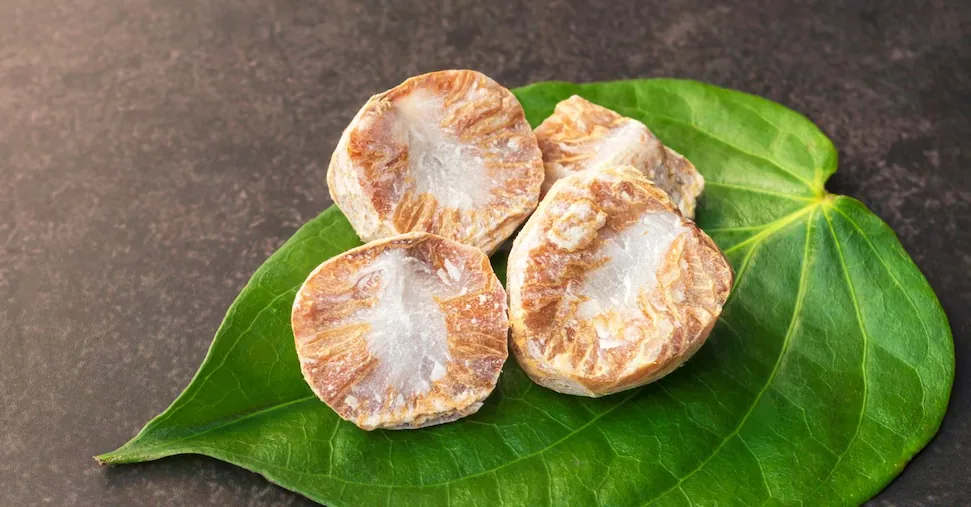
The use of psychoactive substances in humans is older than expected and dates back well before the advent of agriculture: this is demonstrated by the traces found on the teeth of two Indonesian hunter-gatherers who lived between 25,000 and 6,300 years ago who habitually consumed the betel nut – or areca nut/seed – the seed of a palm considered the fourth most widespread psychoactive substance in the world after alcohol, caffeine, and nicotine.
Ask the Sun
The questions are automatically suggested by 24Ore AI
based on the displayed content.
The discovery is published in the journal Science Advances by researchers from Griffith University in Australia in collaboration with Indonesian archaeologists from Hasanuddin University in Makassar and the National Agency for Research and Innovation.
The study focused on the origins of betel nut use, a tradition shared by hundreds of millions of people between India and the South Pacific (about one in ten of the current world population).
Consumption of the nut induces, among other effects, a sense of mild euphoria and increased alertness.
Modern users take it mixed with slaked lime (obtained by finely grinding burnt shells) and other ingredients to form a “bolo” (quid) that is chewed to obtain psychoactive effects.
Read more The real risk of longevity? A public finance crisis