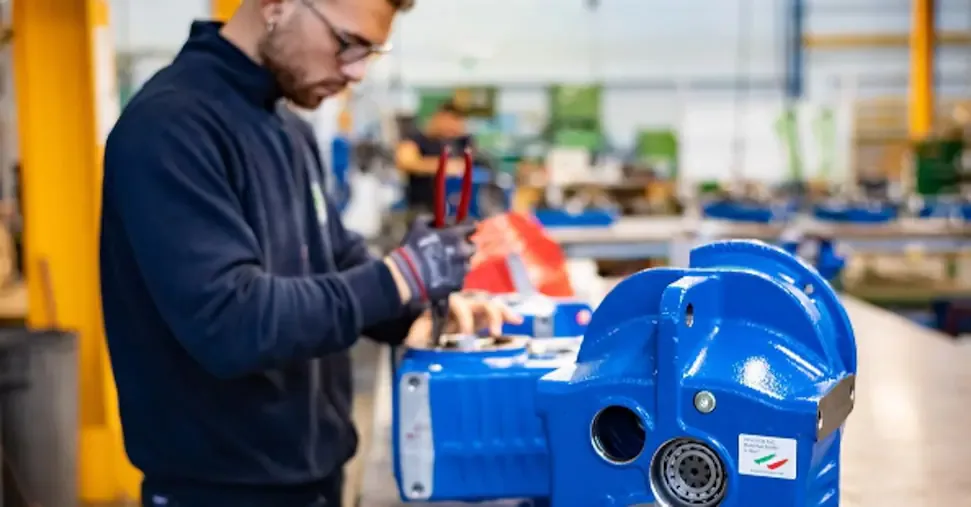









On September 15, the European Parliament adopted its position on the extension of the CBAM (carbon border adjustment mechanism: the carbon tax applied to goods imported from non-EU countries) and on the establishment of a fund to support decarbonization. With 464 votes in favor, 50 against, and 159 abstentions, the MEPs supported the Commission’s proposal to extend the application of the mechanism beyond basic raw materials to a broad list of downstream products, broader than the original text: finished products in steel and aluminum such as fasteners, metal wires, springs, and household items. They also called for the introduction of an exemption for electricity flows from non-EU countries used by grid operators to maintain grid stability.
Read more US Weapons in Space: Strong Reaction from Beijing and Moscow
Ask the Sun
The questions are automatically suggested by 24Ore AI
based on the displayed content.
The safeguard measure proposed by the Commission, which would have allowed certain goods to be excluded from CBAM in case of price shocks (Article 27a), was instead rejected. In its place, Parliament proposed temporarily allocating CBAM revenues from the affected goods to the impacted sectors. It also removed the possibility, proposed by the Commission, of using carbon credits provided for in Article 6 of the Paris Agreement to offset obligations arising from CBAM, as this issue should be discussed within the framework of the upcoming ETS revision.
Read more Foreign interference, FDI and Lega vote with Vannacci and the M5S against the creation of a center …
The European Parliament also adopted its position on the Temporary Decarbonization Fund, to protect EU producers in export markets, with 433 votes in favor, 97 against, and 146 abstentions. The MEPs call for financial support from the Fund to be disbursed from 2027 (instead of 2028) to 2029; they also want to extend it to fertilizer producers and operators who bear higher carbon-related costs, including among eligible products urea, ammonium nitrate, and ammonium sulfate, considered strategic for food security. According to the MEPs, all companies using goods subject to CBAM in their production should be able to benefit from the Fund. Parliament is now ready to start negotiations with EU Member States.
Disappointment from sectors using materials subject to CBAM and facing price increases worsened by the Middle East crisis, particularly regarding the elimination of Article 27a: according to Paolo Fantoni, president of Assopannelli of FederlegnoArredo (which uses urea), “it deprives the system of an important flexibility tool to intervene in the presence of exceptional circumstances.” For Copa and Cogeca, “it could have protected farmers from the impact of exceptionally high fertilizer prices in times of crisis.” Along the same lines are Coldiretti and Confagricoltura, which stressed that “its elimination risks burdening European production capacity and transferring further price increases to food prices for final consumers.”
Read more Spaggiari acquires Esds to grow in Latin America and the Iberian Peninsula