







The populist wind is blowing strong again in Europe, this time tinged with Nazi nostalgia. And the triumph of the AfD in Saxony-Anhalt, the oldest and poorest of the German states, complicates the reflections in Italy of Giorgia Meloni and her allies on three key issues: relations with Germany under Friedrich Merz and with Europe in general, the alliance with Roberto Vannacci, and the election date.
Read more Intesa Sanpaolo brings aerospace SMEs to Silicon Valley
Ask the Sun
In-depth questions generated by 24Ore AI
The questions are automatically suggested by 24Ore AI
based on the content viewed.
The deputy prime ministers on opposite positions
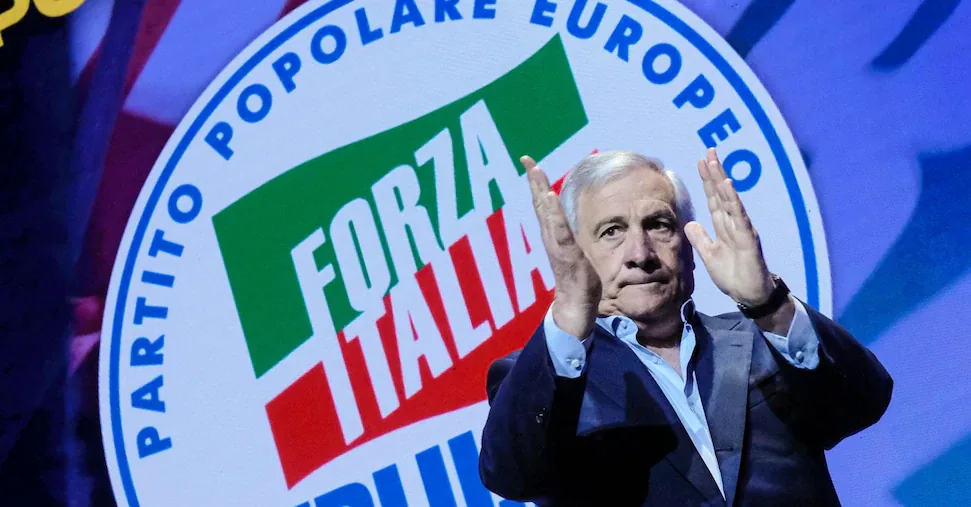
The first reactions already trigger a red flag within the majority. With the two deputy prime ministers heading in opposite directions: the Lega’s Matteo Salvini congratulates “friend Alice Weidel” for the “spectacular success” (Saxon leader Ulrich Siegmund instead receives praise from Elon Musk: “Well done”), the Forza Italia’s Antonio Tajani speaks of a “bad news” and the rise of a political force “antithetical to liberal and Western values.” A predictable divergence, even if Salvini’s celebration clashes with the fact that the AfD is twinned precisely with Vannacci, the great traitor. He gloats quoting Turandot: Mario Monti, with whom he dueled on the Cernobbio stage, “will have to dedicate his scarce energy also to the AfD. Nessun dorma.”
Meloni remains silent and reflects
For the prime minister, who after the Bari celebration for the government’s longevity record chooses to remain silent – “She has never interfered in other countries’ votes,” her staff diplomatically explains – it is an additional variable to consider in the complex evaluations underway these days. It’s not that the Saxony result was unexpected, but the percentage of victory – 44.5% – exceeded forecasts and confirms how the radicalization of messages and the fury against the European Union break through an impoverished electorate increasingly tired of wars. The party line at Brothers of Italy quickly starts: no immediate comment, every move must be studied carefully.
Read more Funeral of Mladic, thousands of Serbs pay tribute to the «butcher of Srebrenica»
Euroscepticism destined to increase
Aside from fears of repercussions on Merz, who could exacerbate the crisis with Italy over the “Dubliners” that the chancellor wants to send back, the Italian right primarily intends to strengthen euroscepticism. This is already clear from a sentence in the interview that Tajani, the most pro-European in the coalition, gave to Il Messaggero. “Europe,” he hopes, “must change: no more fundamentalism, no more green deal, less bureaucracy, yes to the single market. In general, less ideological choices, closer to citizens.” The line always held by Meloni, who has made the battle against “ideological environmentalism” and the risk of “industrial desertification” increased by European policies a banner. It’s easy to imagine it will be waved with ever greater force.
The torments over Ukraine
On the other side, another question torments Palazzo Chigi: how to continue supporting Kiev – opposed by the AfD, which has ridden the discontent of some Germans – while Zelensky himself foresees a long conflict that will extend into next winter? A change in posture was already evident at the government longevity record celebration last Friday in Bari, where not even a nod was given to support for the Ukrainian people. It will continue, also due to the firmness of undersecretary Giovanbattista Fazzolari, but it is safe to bet it will happen more quietly than ever. Also because the campaign against Italian support is led precisely by Vannacci, whose pro-Russian stance – just like that of the AfD – is certainly no secret.
Read more Climate puts bees at risk: 37% of species in decline in Europe