







European agriculture faces one of the most important challenges of the coming decades: ensuring generational renewal in a sector where the average age of entrepreneurs continues to rise. But behind a common problem lie very different realities. In Spain, the main issue is access to agricultural land; in Italy, multifunctionality – which integrates agricultural production, processing, hospitality, and direct sales – has become the engine of new business models, while Greece and France face challenges related respectively to farm fragmentation and production competitiveness. Through data, analysis, and field testimonies, this series of reports, produced as part of the European PULSE project, tells how four Mediterranean countries are trying to build the future of European agriculture starting from the new generations.
Read more Asylum requests, the CSM raises alarm on workloads
Ask the Sun
The questions are automatically suggested by 24Ore AI
based on the content viewed.
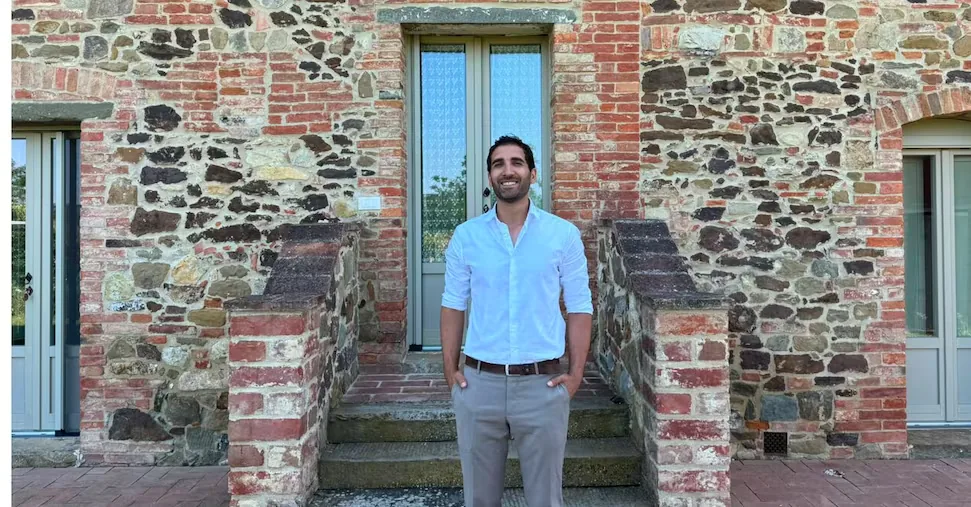
When he talks about his company, Jacopo Trasolini, born in 1994, does not start with the vineyards. Nor with the agritourism, which today attracts tourists from all over Italy among the hills of the Val di Chiana, in Tuscany. He starts with cosmetics, particularly a line of creams made by recovering the pulp of kiwis that was once discarded during fruit juice production. Then he moves on to medicinal herbs, photovoltaic panels, online sales, distributed hospitality, social media communication. Only at the end of the conversation does he get to the grapes, which historically represent the economic heart of the family business.
Perhaps this is the best way to understand how Italian agriculture led by young people is changing: the land remains the starting point, but income increasingly comes from the ability to build a business capable of integrating agricultural production, processing, tourism, direct sales, innovation, and communication. The young farmer is no longer just a producer of wine, oil, or cereals. He is an entrepreneur who must know marketing, manage a hospitality business, read a business plan, develop new products, communicate with customers, and invest in sustainability.
Read more Italy at the US summit on «red terrorism,» controversy
The Italian scenario
Italy is often cited among the most dynamic European countries in terms of youth agricultural entrepreneurship. Companies led by under 35s invest more than average in innovation, precision agriculture, sustainability, multifunctionality, and new business models. According to Coldiretti, these companies are precisely those that record productivity levels per hectare above the European average, demonstrating a greater ability to create value and compete in markets.
However, the picture also shows signs of fragility. In 2025, the number of agricultural enterprises led by under 35s decreased by 4.4%, a decline that reflects the general demographic decline in Italy but also highlights difficulties in accessing the sector. For Enrico Parisi, national delegate of Coldiretti Giovani Impresa, the problem is not a lack of interest in agriculture.
Read more Car, Volkswagen CEO: there are smarter solutions than closing plants