






The year was 2008 when Silvio Berlusconi, two days before the April 13 elections that triumphantly brought him back to Palazzo Chigi, from the television studios of Matrix hosted by Enrico Mentana promised the progressive abolition of the car tax. In these 16 years, the proposal has remained firmly in the center-right programs; without ever finding the funds to reach the Official Gazette.
Read more Plastic emergency, companies: «Collection at risk»
Ask the Sun
The questions are automatically suggested by 24Ore AI
based on the content viewed.
First step towards the definitive farewell
Now the Pnrr allows Giorgia Meloni’s government to go where the Arcore leader had arrived. Or, rather, it is the savings on the measures financed to achieve the Plan’s objectives that provide a large part of the coverage, 2.362 billion, necessary to cancel the 2027 car tax on 14.5 million small and medium cars (over 13.2 million) and motorcycles and compensate the Regions responsible for the revenues.
The cut, included in the decree law approved yesterday also to extend the discounts on excise duties in a reduced form and the suspension of the tax on small packages, now applies only for 2027. But it is already “structural” in the words with which Meloni presents it at the press conference after the meeting at Palazzo Chigi. “We think it will inevitably become so,” confirms Economy Minister Giancarlo Giorgetti, reiterating the goal without neglecting the technical aspect of the measure. Deputy Prime Ministers Tajani and Salvini instead launch into the next steps. The Lega leader evokes the farewell to the tax for everyone and the trimming of the super tax (the one on more powerful cars), because “there is a budget law available” and “appetite comes with eating.” “Stay calm,” Meloni stops them.
How the exemption works
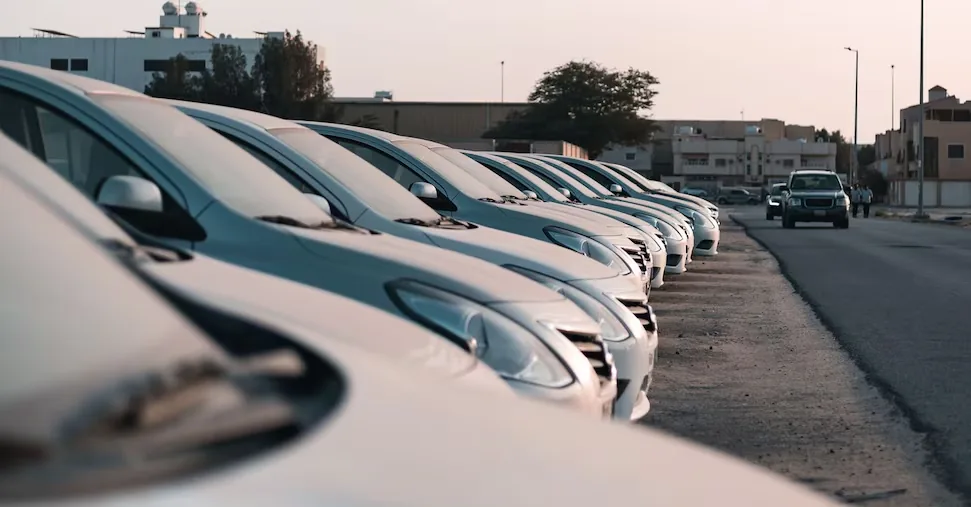
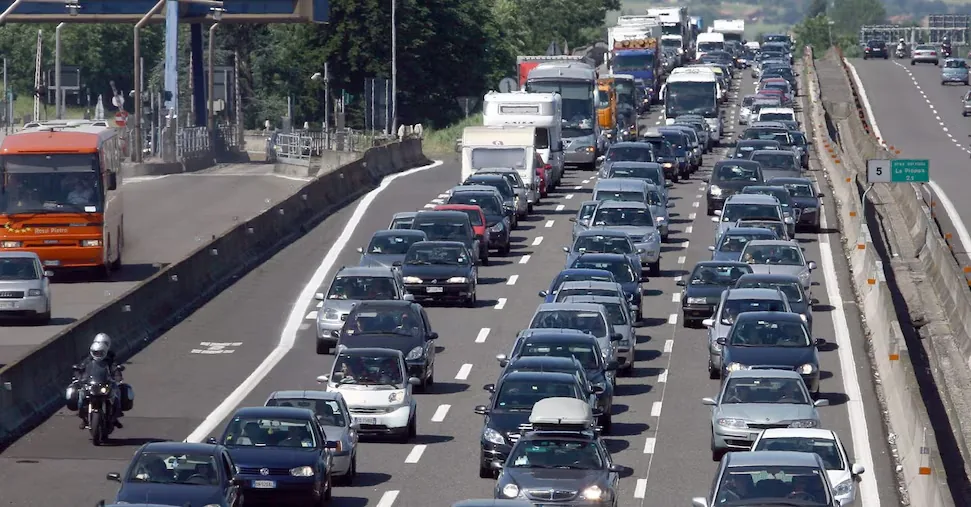
For now, in any case, the exemption concerns cars with power up to 80 Kw and all motorcycles, and also applies to leasing and rentals because the tax is borne by the user, unless otherwise provided in the contract. In the premier’s calculations, these parameters cover over 70% of vehicles.
Each beneficiary is entitled to only one discount. Those who own two cars will have the one with lower power exempted or, if the power is equal in both, the vehicle with the lighter tax; the same will happen to those who have two motorcycles. In case of owning an exempt car and a motorcycle, only the second will continue to be taxed.
Read more Ukraine, at least 12 injured in Russian raid on Kiev. A refinery in Russia hit
Calculating the effects
The savings depend on the environmental class and power. Net of any local increases, a small new car (euro 6) of 50 Kw pays according to national rates 129 euros (2.58 euros per kilowatt); for older vehicles the rate can rise up to 3 euros per kilowatt, setting the maximum possible saving at 240 euros. On average, the novelty is worth just under 165 euros for each recipient. The impact is reduced for hybrid cars, which in many regions already have discounts and temporary exemptions, and for electric cars, exempt for the first five years and then subject to a tax reduced by three quarters. “These cars do not benefit but have not suffered any harm from gasoline and diesel increases,” Giorgetti concludes.
Forcings and coverage
What brought the hypothesis of the tax cut to the finish line, anticipated in Il Sole 24 Ore last Wednesday, is a chess move that allows the government to erase the strained image of the constant search for light coverage for fleeting measures. And it puts at the center of the scene an intervention easy to understand and therefore to communicate, with image effects made evident also by the almost total silence with which it was received by the opposition. Not only that: as conceived, the discount focuses on owners of smaller cars, and is therefore on average much less regressive than the generalized cut to excise duties, which favors those with greater spending capacity.
All this is made possible by the forcing, not unprecedented, of a decree law that introduces a delayed measure. And, financially, by the savings on Pnrr expenses recorded in treasury accounts as provided by the February Pnrr decree. This is not a rescheduling of the Plan, which would be too late, but the lower expenditures recorded to achieve the objectives. These amounts are also accounted for in the coming years because the end of the Pnrr does not concern spending, but achievements, and in the part of non-repayable grants do not affect public finance balances.
Read more Police forces and civil and criminal liability: here are the AI rules