







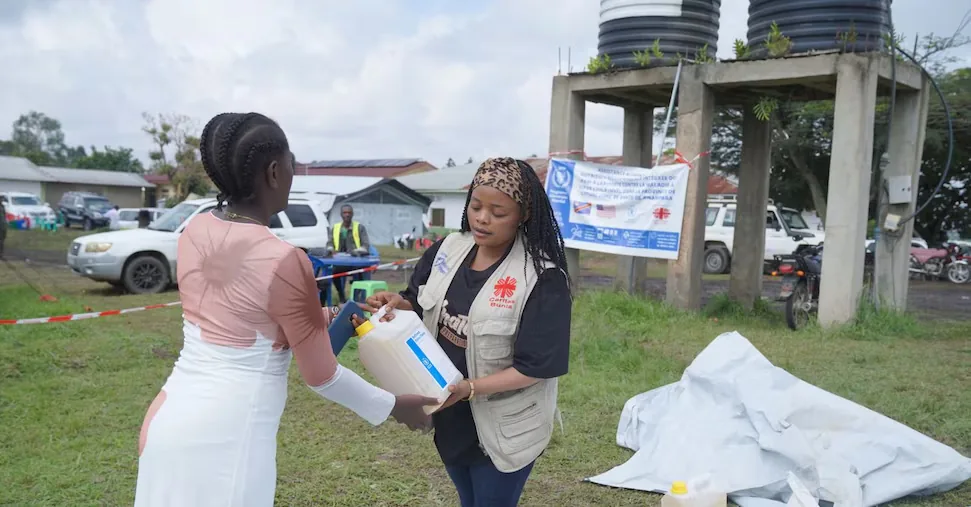
The death toll from the latest Ebola epidemic in the Democratic Republic of Congo continues to rise, classified by authorities as one of the “fastest spreading” in the virus’s history. The latest data released by authorities record a total of 1,521 deaths and 3,442 infections, with a 50% increase in deaths compared to the previous week.
Read more Human control and authors always responsible for content: here are the AI guidelines for deputies
Ask the Sun
The questions are automatically suggested by 24Ore AI
based on the content viewed.
The United Nations has (re)issued the alarm on virus containment, stating that the emergency response capacity must be increased by “three to five times” to keep pace with its spread. Data released by the Associated Press agency record 797 patients in isolation or hospital care compared to 615 recovered. Tracing is more deficient, with 78% of contacts monitored against the 95% threshold needed to interrupt transmission. A positive note comes from Uganda: Kampala has declared the recovery of its last case, although the World Health Organization reiterates that the country must still be considered at risk.
Read more Cammini, Francesco’s unique itinerary to compete with Santiago de Compostela
The scope of the virus
The epidemic was declared in mid-May and originates from the Bundibugyo variant, considered more insidious because there are no vaccines or adequate treatments for its response. The management of the virus is complicated by the physical spread basin, the Ituri province: a region on the eastern border of the Democratic Republic of Congo populated by artisanal mines, plagued by years of armed conflict and now also threatened by the advance of the pro-Rwandan M23 rebels at war with the regular Congolese forces in Kivu. The intertwining of logistical dysfunctions and political tensions is hindering the interventions of healthcare personnel, already targeted by attacks and penalized by resources below what is necessary. The United Nations has noted that less than half of the 2.1 billion dollars requested have reached their destination in the DRC.
Read more Tourism, the Tropea elevator becomes «urgent»: 2.5 million allocated