




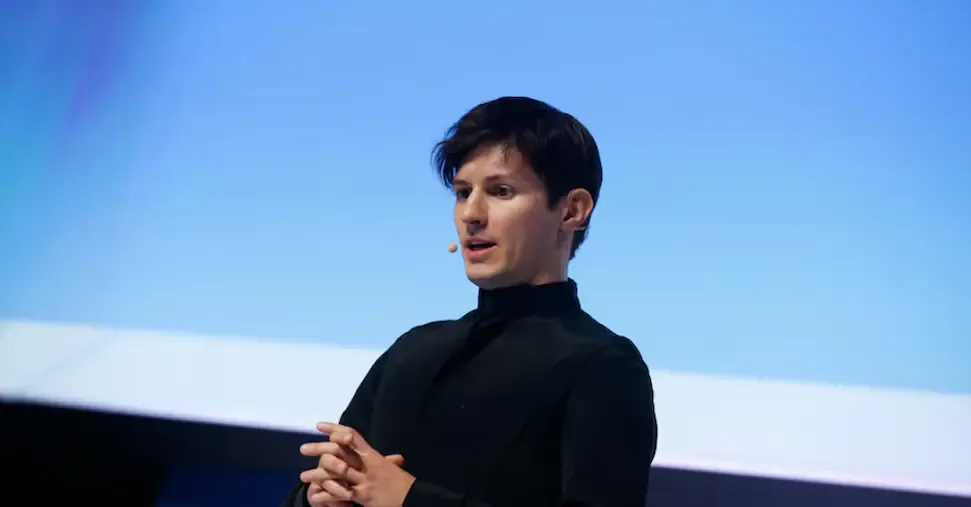
For years Pavel Durov has been described as the “Russian Mark Zuckerberg”: the young entrepreneur who had built the country’s largest social network and who chose exile rather than bow to the Kremlin’s demands. Today, at 41, his story is much more complex. The founder of Telegram has become the symbol of one of the most controversial issues in the digital economy: to what extent can the owner of a platform be held responsible for what its users do?
Read more Work, wages grow less than inflation in the second quarter of 2026
Ask the Sun
The questions are automatically suggested by 24Ore AI
based on the content displayed.
The question is at the heart of the legal cases involving him. In 2024, French authorities opened an investigation claiming that Telegram had not done enough to combat criminal activities such as drug trafficking, fraud, terrorism, and the dissemination of child pornography material, initiating a procedure that represents one of the first attempts in Europe to assign direct responsibility to the leadership of a digital platform. Two years later, Russia also charged Durov with aiding terrorism, accusing him of not removing content used, according to Moscow, by Ukrainian intelligence services and extremist groups to organize sabotage and attacks on Russian territory.
The paradox is evident: the man who left Russia denouncing Kremlin pressure now finds himself simultaneously targeted by Moscow and Western democracies, albeit for opposite reasons.
Read more Professions, in the Delegated Bill training on AI and paid internships
From Russia to exile
Born in Leningrad in 1984, Durov spent part of his childhood in Italy, where his father, a philology professor, taught at the university. Returning to Saint Petersburg, he studied at the State University and in 2006 founded VKontakte, the social network destined to become the Russian Facebook. In a few years, the platform gained tens of millions of users and turned Durov into one of the country’s most famous tech entrepreneurs.
However, his public image was built as much on entrepreneurial success as on challenging political power. In the midst of protests against Vladimir Putin, he refused to close opponents’ accounts and rejected authorities’ requests to hand over user data. In 2014, he broke definitively with the Kremlin: he sold his stake in VK and left Russia, saying he preferred to give up the company rather than turn it into a tool of state surveillance.
Read more The blogger is responsible for defamatory messages spread by others. Comments at risk