








The heat is “a red alert also for the economy,” it weighs “on businesses and customs,” warns Confesercenti, which estimates: “Living every year with thirty to sixty days of intense heat can weigh on the Italian economy between 6 and 12 billion euros, equal to about 0.2-0.4% of GDP, including higher energy costs, lower productivity, mandatory investments, and lost revenue in the most exposed sectors. Extreme heat has become a real climate tax,” comments the president Nico Gronchi -, “a structural economic variable. It affects investments, productivity, spending, and consumption habits, including tourism.”
Read more Plastic recycling, the crisis continues: there is a risk of collection blockage
Ask the Sun
The questions are automatically suggested by 24Ore AI
based on the content viewed.
Cost estimate
“A challenge that cannot be won by leaving the problem to the initiative of individual families and businesses,” comments Gronchi. “Structural interventions are needed.” The impact of high temperatures on the country’s economy is estimated in a report by the economic office of Confesercenti. “The heaviest item is that of now mandatory investments — more efficient air conditioning systems, photovoltaics, shading, and energy upgrading of buildings — estimated between 2 and 4 billion. Followed by higher energy costs, between 2 and 3 billion, linked to the need to cool for longer, and the drop in labor productivity on days of intense heat, estimated between 1.5 and 3 billion. Finally, 1-2 billion in lost revenue in the most exposed sectors, from construction to agriculture to logistics and street vending,”.
Spending on air conditioning
For summer air conditioning, a family spends “on average about 150 euros, an amount that could rise to 400 within a few years. Also to be considered are the purchase and replacement of air conditioners, higher water consumption, and health expenses related to heat stress. Heat thus risks turning into a sort of new climate tax, which weighs especially on middle-low incomes and the elderly population.” And — Confesercenti warns again — “a similar dynamic also concerns businesses: a bar or a shop that today spends 3,000 euros a year for cooling could find itself spending 5,000-6,000 in a short time, to which are added the now indispensable investments in more efficient systems and in the energy upgrading of buildings, a real capital obstacle for micro-enterprises.”
Lower worker productivity
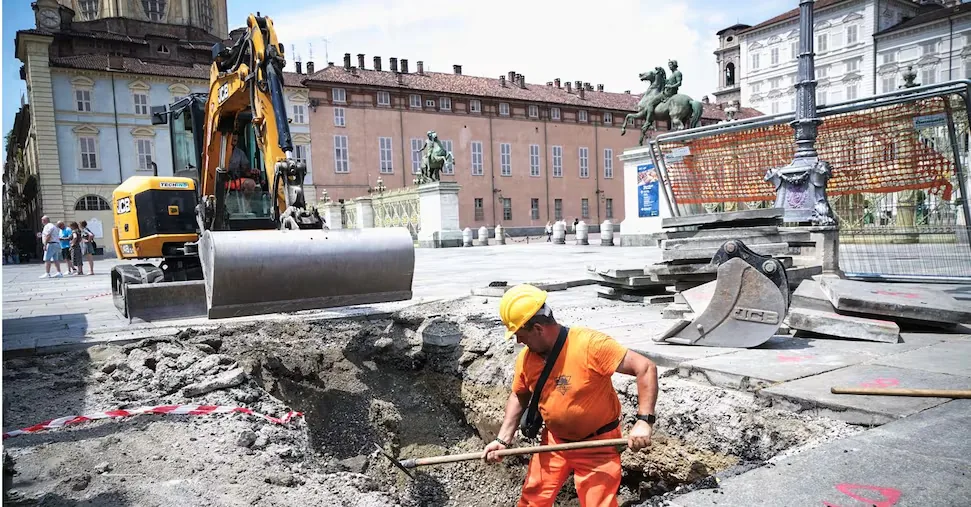
Heat also weighs on productivity: “Above a stable 35 degrees, work output decreases: errors and sick absences increase and physical effort capacity decreases. The most exposed sectors are construction, agriculture, logistics, street vending, and maintenance, along with small businesses and outdoor tourism, from markets to public establishments with outdoor seating. If days with high heat stress continue to multiply, the country risks losing thousands of working hours every year.”
Impact on commerce
And it affects commerce: “During the central hours of the day, high temperatures empty the streets. Beneficiaries are large air-conditioned containers and online platforms; losers are the markets, the shops in historic centers, and local businesses, which face an additional pressure factor after e-commerce and sales delocalization. Consumption also changes: fashion retail companies record a decline in purchases of heavier winter garments, penalized by increasingly short cold seasons, while in catering outdoor seating loses attractiveness, and on scorching days customers prefer air-conditioned rooms.”