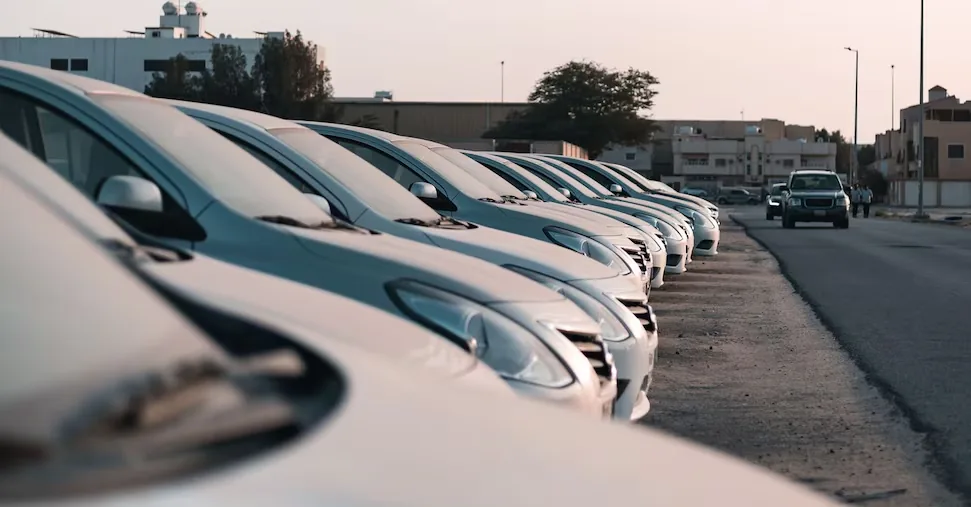









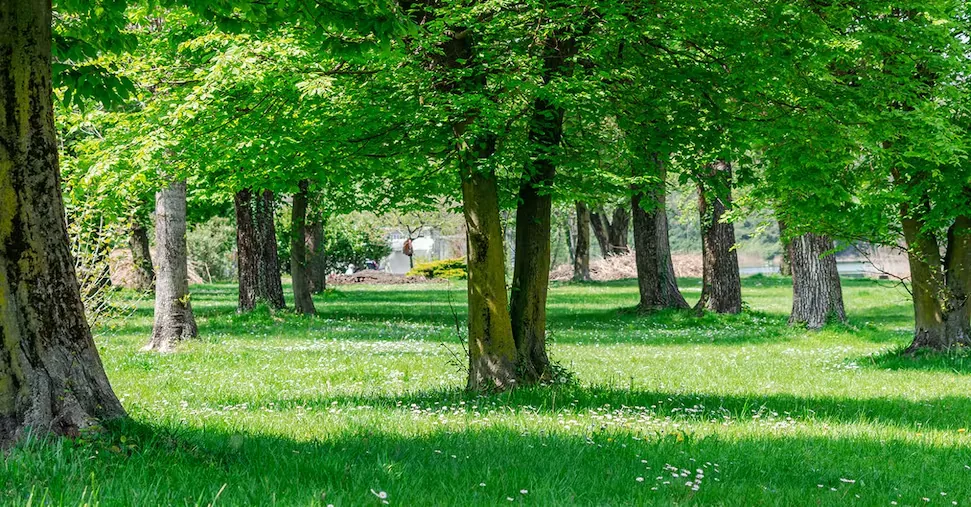
Almost like an oasis in the desert. These are outdoor climate shelters that can be found in high-density cities. Where high temperatures, caused by climate but also cars and air conditioning motors, put human endurance to the test. In these places where you can find relief from the heat, temperatures can be up to 11 degrees lower.
Read more Automotive, the rental sector against the transcription tax
Ask the Sun
The questions are automatically suggested by 24Ore AI
based on the displayed content.
Map and census
Outdoor public spaces to face extreme heat in cities and reduce energy waste. Rome, Milan, Turin, Florence, Bologna, and Pavia are mapping and surveying these outdoor climate shelters. Places, indoors or outdoors but immersed in greenery, where you can find refreshment. On the subject, Enea researchers have conducted a study funded by the Ministry of the Environment and Energy Security.
The Community to share experiences
From these activities, a community was born for the exchange of experiences and knowledge, to which about twenty third-sector associations, research institutes, and universities, including the Bessa department (well-being, health, and environmental sustainability) of La Sapienza University of Rome, have already expressed interest in joining.
Read more Idf attack in Gaza kills five people, including three children
The research
“Enea’s research focuses on determining the energy and microclimatic performance of climate shelters, understood as outdoor spaces that, if properly equipped, can reduce the perceived temperature by 11 degrees, while providing other benefits,” explains Ezilda Costanzo, from Enea’s Department of Energy Technologies and Renewable Sources. “To detect habits, preferences, sensations, and subjective appreciation, the study has used and continues to use Citizen Science, that is, participatory science.”
From accessibility to safety
The study also considered other characteristics ranging from accessibility to visual and acoustic well-being, continuing with safety, sociability, and sense of belonging to the place. Elements that, as the researcher argues, “contribute to the acceptance and popularity of such public spaces with social impacts that accompany the reduction of consumption and energy peaks, emissions, and indoor air conditioning costs during the summer period and heat waves.”
Read more State torture, the United Sections decide whether it is an autonomous crime or an aggravating factor