
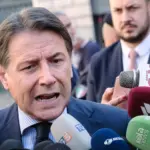





Alessandro Di Battista, 48 years old, is currently in hospital in Cuba, where he is admitted in serious condition. He was on the Caribbean island to produce a report for “Il Fatto Quotidiano,” a newspaper he has been writing for some time, producing several reports from abroad. The last stage of a long journey in Italian politics that began fifteen years ago and continued in recent years outside the institutions. A path in which compromise has never found space.
Read more Franco Fontana dead in Modena, master of photography and color
Ask the Sun
The questions are automatically suggested by 24Ore AI
based on the content viewed.
Studies and experiences in Latin America
Born in Rome on August 4, 1978, Di Battista grew up in a family with a long political tradition. His father Vittorio was, in fact, an entrepreneur and city councilor within the ranks of the Italian Social Movement. However, his son Alessandro took a different path. Scientific high school diploma at the Farnesina high school in Rome, a degree with honors in 2004 in Arts, Music and Performing Arts Disciplines (Dams) at Roma Tre University, and four years later a master’s degree in international protection of human rights at La Sapienza. In the years before his experience as a parliamentarian, Di Battista worked as a cooperative worker in the fields of education, microcredit, and productive projects and collaborated with organizations engaged in cooperation and human rights protection. He spent periods living in Guatemala and in 2010 traveled through several Latin American countries.
Beginnings in the Five Star Movement
The turning point came in 2011, with the approach to the movement founded by Beppe Grillo and Gianroberto Casaleggio. At that time, he began collaborating with Grillo’s blog, publishing reports. In 2012, at the Five Star Movement’s “parliamentary primaries,” he obtained 313 preferences, and the following year he was a candidate for the Chamber in Lazio and elected in the 2013 general elections. During his experience as a parliamentarian, he joined the Foreign Affairs Committee and, from May 2013 to July 2015, became its vice president. But it is especially outside the parliamentary committees that he built his political role, with speeches in the chamber, rallies, interviews, and videos on social media, which helped make him one of the main communicators of the Movement. With his combative style, he was soon identified with the activist, radical wing most closely linked to the original phase of grillism.
In 2014 Beppe Grillo proposed to the members the creation of a five-member directory, which included Luigi Di Maio, Roberto Fico, Carla Ruocco, Carlo Sibilia, and Di Battista himself. The proposal was approved online by a large majority and Di Battista reached the peak of his popularity in the Movement. In 2016, during a tough campaign against the constitutional reform of then Prime Minister Matteo Renzi, he traveled Italy by scooter with the “Constitution coast to coast” tour, supporting the No vote in the referendum. In 2018 he did not run again in the general elections and continued his battle outside parliament, harshly criticizing the League and Matteo Salvini during the first Conte government and the Democratic Party during the Conte II government.
Leaving the Movement and the new life as a reporter
In February 2021, a new breaking point arrived. The Five Star Movement decided to support the government led by Mario Draghi and Di Battista, in protest against that choice, announced his departure from the Movement after more than eleven years of membership. Di Battista’s political activity transformed through travels, reports, and public interventions. He began collaborating with “Il Fatto Quotidiano” and produced reports and documentaries from the United States, Mexico, Iran, Bolivia, Russia, and various South American countries. Since 2022, he has also become a commentator on “Dimartedì” on La7 and continues to write and produce content for various newspapers and platforms.
Read more Niger, gunfire and explosions in Niamey. Junta confirms: attempted coup