







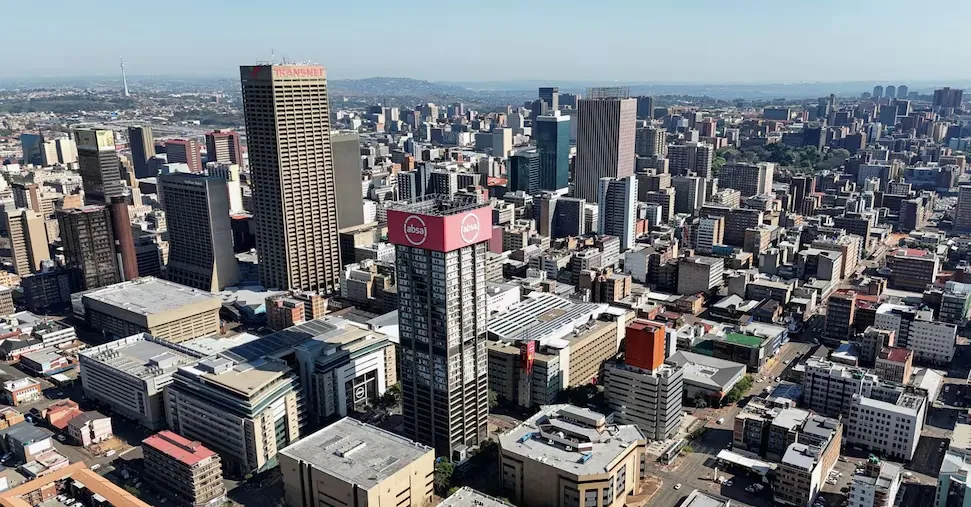
NAIROBI – The South African Treasury has prepared a three-year intervention plan to “stabilize” and save Johannesburg, the country’s financial capital, from collapse.
Read more Tajani: «We are thinking of a Trieste-Koper port system»
Ask the Sun
The questions are automatically suggested by 24Ore AI
based on the content viewed.
It was announced on September 14 by the head of the department, Enoch Godongwana, confirming the extent of a crisis that has already brought a key city on the brink of default, crucial to the finances of one of Africa’s main economies. The intervention will remain in place even in the event of a change of power at the top of the municipality after the local elections on November 4, expected to be a crucial test of the ruling forces’ stability.
Read more Genoa Boat Show, the presence of large boats up to 50 meters is increasing
Johannesburg is governed by a coalition led by the African National Congress, the historic party at the helm in Pretoria since 1994 and recovering from the shock of the 2024 elections: the first to mark a setback below the 50% support threshold, forcing the ANC to form a coalition of 10 parties that also includes the historic rivals of the Democratic Alliance. The two parties are allies in government but opposed on a regional scale, so much so that the DA will try to unseat the party in the race for “Joburg” and impose a drastic change in the management of the municipality. “Any government that will be born in Johannesburg will need our support, so we will be present in the next three years,” Godongwana said.
The management chaos of Johannesburg
“Joburg,” the official abbreviation of the metropolis, hosts the most capitalized stock exchange on the Continent and accounts for 15% of South Africa’s GDP, serving as the epicenter of the country’s major industrial, banking, and mining players. Its economic vibrancy is accompanied by an internal management crisis, culminating in a deficit of 128 million US dollars in the budget for the 2026-2027 fiscal year. One of the most insidious burdens is the debts of about 350 million dollars accumulated with the national public utilities Eskom and Rand Water, themselves penalized by payment delays from local administrations. Godongwana had already frozen funds for 67 administrations, including Johannesburg’s, in July, only to ease the grip after the administration’s commitment to “heal” public accounts quickly. His three-year stabilization plan marks a decisive break, explains analyst Marisa Lourenço. At the root of the management chaos is the administrative fragmentation into 13 different entities for service delivery, all within the municipality’s perimeter. “In such a decentralized system,” says Lourenço, “entrusting a metropolitan municipality to the management of the National Treasury means the situation has now reached a point of no return.”
Read more Al-Aqsa, why the mosque of Jerusalem is so important for Muslims and Jews