









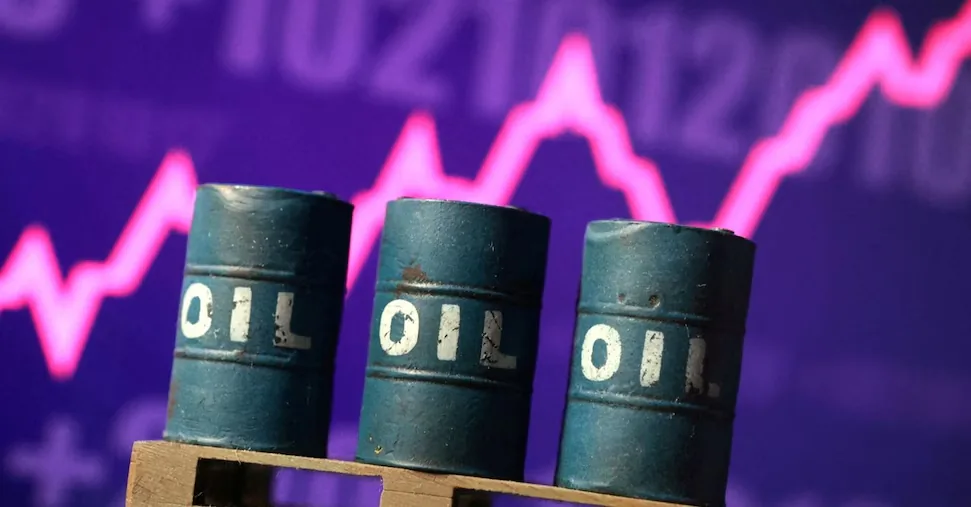
Oil and gas prices are rising, slowing down the Italian economy: the third quarter starts badly, on an upward trend. These are the first words of the Congiuntura Flash analysis by the Confindustria Research Center: the war in Iran re-erupted in July, and uncertainty about future developments is at its maximum. The price of oil immediately felt the impact. After already slowing down the GDP in the second quarter, the impacts of the war are now extending into the third. Inflation will remain high for a while, and the credit channel is tightening.
Read more Air quality, Regions cannot ask for more funds to implement EU rules
Ask the Sole
Questions are automatically suggested by 24Ore AI
based on the content displayed.
The research center dedicates an in-depth analysis to inflation: even if temporary, it weighs on growth, with a recessionary impact on confidence. Industry loses ground after months of shock, and investments slow down. Services stabilize, thanks to the rapid recovery of foreign tourism, but do not grow.
The drop in transits in the Strait of Hormuz, -32% in mid-July, caused an increase in Brent crude, 91 dollars per barrel (on 21-7), well above February levels, 69 on average. Gas also turned upwards. The dollar strengthened: 1.14 dollars per euro in the first half of July. This favors exports from Eurozone countries.
Read more FS, some unions are striking today and tomorrow, possible repercussions
Investments slowing down
Investments are slowing down: despite the moderate increase in rates, 3.67 in May, loans to businesses are accelerating: +3.5% annually. However, they are fueled by the demand for liquidity for energy bills and less by investment demand. For consumption, a slowdown is in sight: in the second quarter, income was held back by prices and a slight decrease in employment (in May).
Industrial production fell in May
Industry decelerates: in May, industrial production decreased by -0.3%, due to the fall in intermediate goods, -0.8%, and consumer goods, -0.5%, while the growth in energy, +4.6%, cushioned the decline. The acquired variation in the second quarter remains positive. In June, the manufacturing PMI fell, while remaining expansive (52.2 from 52.9).