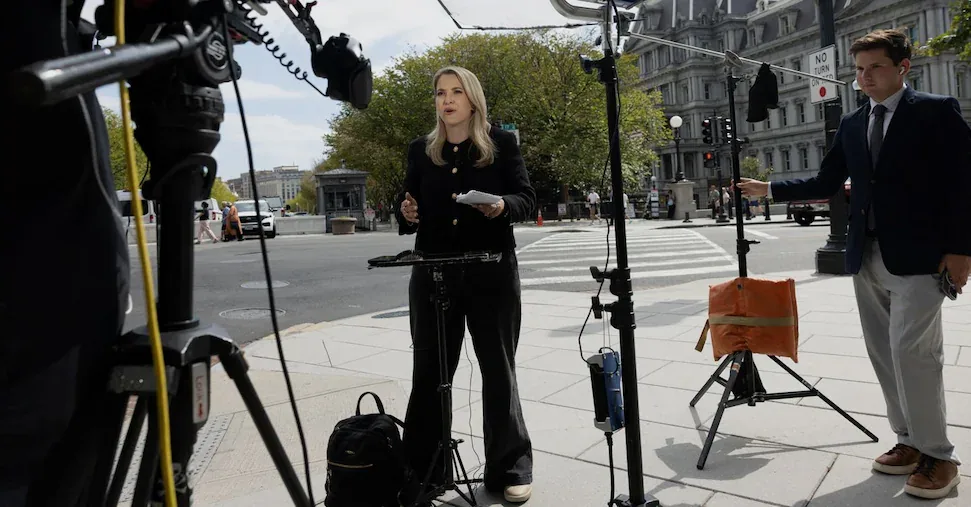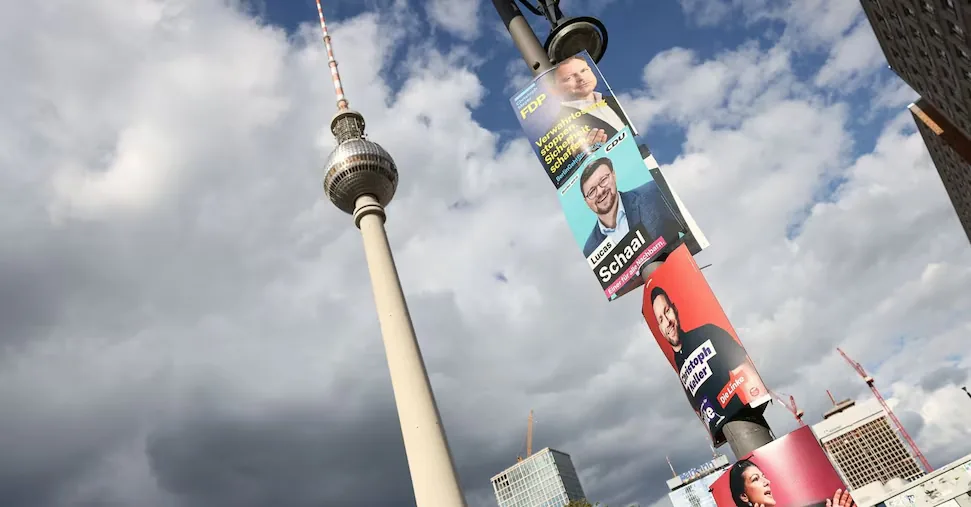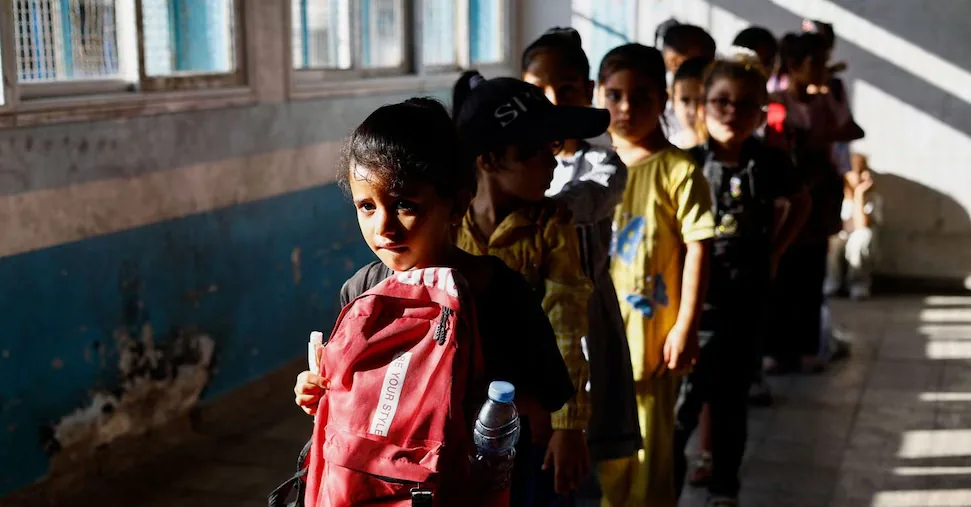







European agriculture faces one of the most important challenges of the coming decades: ensuring generational renewal in a sector where the average age of entrepreneurs continues to rise, while fewer and fewer young people choose to invest in the land. But behind a common problem lie very different realities. In Spain, the main issue is access to agricultural land, in Italy multifunctionality has become the engine of new business models, while Greece and France face challenges related respectively to farm fragmentation and the competitiveness of production. Through data, analysis, and testimonies collected in the field, this series of reports, produced as part of the European PULSE project, tells how four Mediterranean countries are trying to build the future of European agriculture starting from the new generations. After the episode on Italy and Spain, here is the report on Greece.
Read more Yes to the seizure of the CEO’s smartphone with generic keywords
Ask the Sun
The questions are automatically suggested by 24Ore AI
based on the content viewed.
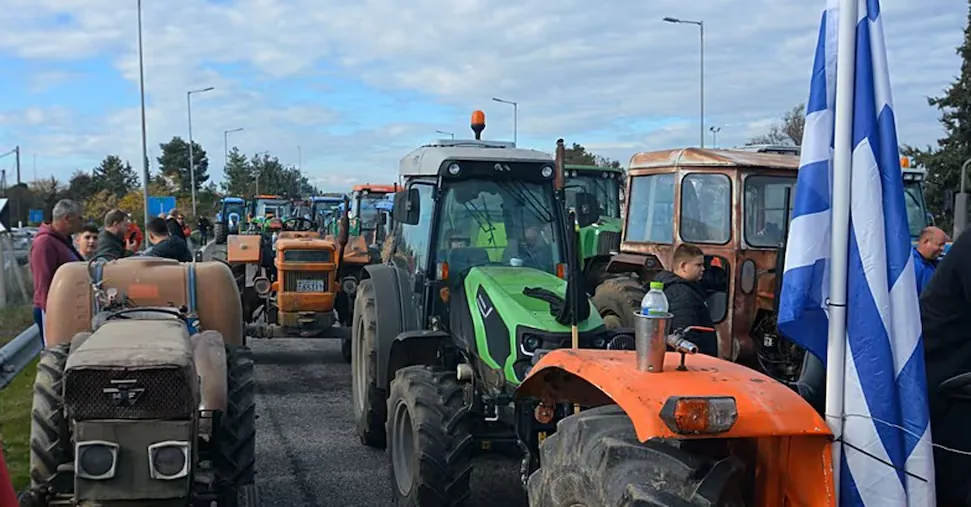
For fifty days Greek farmers protested at roadblocks across the country. Then they arrived in Athens, in front of Parliament and the Prime Minister’s residence, to demand what they consider essential to continue their work: income, infrastructure, training, and a long-term strategy for the agricultural sector.
What made the protests of recent months particularly significant was the massive presence of young people under forty. However, this is not a new generation discovering agriculture as a life choice. Many of them belong to the third or fourth generation of farming families and are simply fighting to continue the work of their parents and grandparents.
Read more Confesercenti: extreme heat like a tax, costs up to 12 billion
In Greece, the problem of generational renewal takes on different characteristics compared to the rest of Europe. The question is not so much how to attract new farmers, but how to prevent those who already exist from deciding to leave the countryside.
The numbers tell a particularly critical situation. According to Eurostat data, only 7.2% of farm managers are under 40 years old, compared to a European average of 11.9%. At the same time, almost 40% of Greek farmers are over 65 years old, one of the highest percentages in the European Union, comparable only to countries like Portugal, Cyprus, and Spain.
Read more Plastic recycling, the crisis continues: there is a risk of collection blockage