







It is no secret that Prime Minister Giorgia Meloni is considering the idea of bringing forward the political vote to spring. Having surpassed the milestone of the longest-lasting government in the history of the republic, the Prime Minister has no intention of being worn down now that the election campaign seems already in full swing, with allies ready to plant their flags ahead of the budget maneuver. On a path that promises to be bumpy. That is why, after the approval of the electoral law and the launch of the new budget, any date would theoretically be good to go to the polls. Not even excluding the possibility of an election day combined with the spring municipal elections (which must be called between April 15 and June 15), where the mayors of the major Italian cities (Rome, Milan, Naples, Turin, and Bologna) will be renewed. A hypothesis so far set aside for fear of the pull effect for the progressive front that the vote could have in centers historically governed by the center-left.
Read more Hydrocarbon spill in the Navigli in Milan: heavy damage to the environment and wildlife
Ask the Sun
The questions are automatically suggested by 24Ore AI
based on the content viewed.
Salvini’s no to early elections
The problem is that the allies Lega and Forza Italia do not agree and aim for a vote in the autumn of next year, at the end of the legislature. Matteo Salvini is the most determined. “We are celebrating the longest-lasting government in the history of the Republic, why interrupt the enormous work that we are all doing before. There is a deadline which is autumn 2027,” says the Lega leader clearly. Political and municipal elections separate, then? “Of course – he replies -. The deadline for the municipal elections is by law in spring, many important cities vote from Milan to Rome, Bologna, Turin, Naples.” And he insists: “I have many projects to carry forward, and I would like to reach the last useful day.” The hope of the Lega leader is that the Vannacci phenomenon deflates after the initial sparks. And that the test of the municipal elections, when the real votes count and no longer just the polls (which see Futuro Nazionale growing to 8%), will serve to downsize the general’s party. Not forgetting that the early end of the legislature would put at risk the final approval of the agreements on differentiated autonomy, a flagship of the Carroccio.
Read more Battery recycling, Seval inaugurates new center
Tajani’s doubts
Also the other Deputy Prime Minister Antonio Tajani seems to push the elections further, albeit with less emphasis. “I have no problem voting one or two months earlier but maybe the right date is the end of the legislature,” explains the Forza Italia leader. The budget is also a topic in the discussions among parliamentarians: reaching autumn would allow to “capitalize” on the approved measures, since voters would have more time to enjoy tax cuts, bonuses, and various incentives.
The electoral law issue
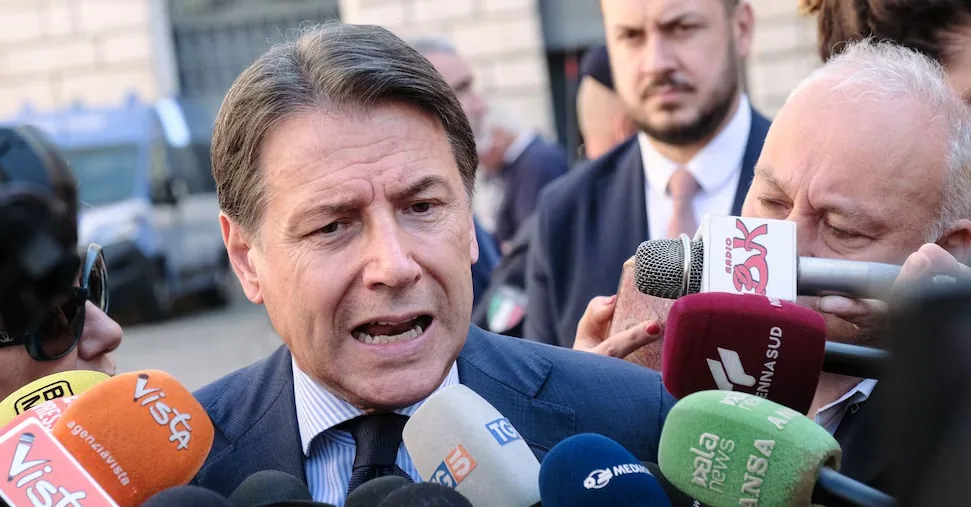
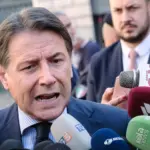
On the left Giuseppe Conte seems to respond to the challenge. “In spring or whenever it is, we will always be ready. Already in autumn we will have a shared program. We are absolutely not late,” he says clearly, postponing the primaries for the choice of leader to the next step. The M5S president does not seem willing to endorse other paths: “It is perfectly legitimate for the secretary of the largest party, the PD, to aspire to be the prime minister candidate of the entire coalition. But beware, this is the first time we go into coalition, and we cannot, and I imagine the other parties, accept that there is this rule that should be applied for the first time. We are in a completely different context compared to that of the center-right.” It will be the electoral law to decide whether the broad field should accelerate operations or not. And, after the approval of the Stabilicum in the third reading at the Chamber, also the fate of the legislature could be clearer
Read more Africa, the UN votes to «correct» the geographical maps and angers the USA