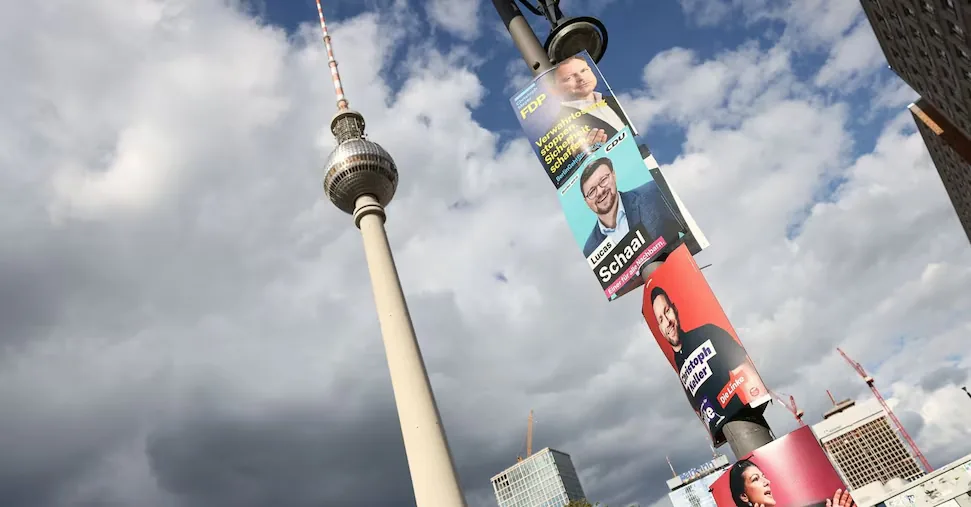










BRUSSELS – The recent and dangerous military escalation between Russia and Ukraine has financial as well as operational implications. Already last week Kiev had loudly requested new aid from its Western partners. Within the EU, pressure is growing to ensure new and rapid funding for Ukraine, at a particularly delicate phase of the conflict: on Tuesday, September 1, the German government accused Moscow of trying to influence the regional elections scheduled in the coming days.
Read more No flip-flops, miniskirts, and see-throughs in Court: Cagliari sets the dress code
Ask the Sun
The questions are automatically suggested by 24Ore AI
based on the content viewed.
The High Representative for Foreign Policy Kaja Kallas urged member countries to continue supporting Ukraine. “Air defense remains our absolute priority,” she warned after an informal meeting of Defense Ministers in Ireland. “Every form of support we offer to Ukraine strengthens European security.” On this occasion, the former Estonian Prime Minister announced the creation of “a high-level working group” to clearly identify how to “fill the gaps in European defense.”
On the financial front, we know the terms of the matter. The Twenty-Seven have guaranteed Kiev new loans of 90 billion euros for the period 2026-2027. So far, 8.5 billion euros have been disbursed. There is growing concern that the planned funds may ultimately not be sufficient. Recently, four countries – Spain, Poland, Sweden, Netherlands – sent a letter to partners, again suggesting the possibility of using Russian assets frozen at the outbreak of the war.
Read more Industry, Istat: producer prices +2.4% in July, +7.8% year on year
The idea, always controversial and brought back to the table by a group of countries that potentially have divergent reasons, seems premature to many diplomats, although they do not rule out that it may emerge in the final stages of the current negotiation on the 2028-2034 European budget. At a press briefing in Brussels, European Commission spokesperson Paula Pinho wanted to be reassuring: “For now, while recognizing the seriousness of the situation on the ground, we are focused on implementing our ambitious aid plan” for Ukraine.
More generally, European concern regarding funding for Kiev also relates to the fact that partner countries – from the United Kingdom to Canada – are dragging their feet in contributing their share and bringing the expected total aid in 2026-2027 to about 130 billion euros. Economic Affairs Commissioner Valdis Dombrovskis said from North Carolina, where a G20 meeting was held: “I urge (…) our international partners to do their part, increasing contributions and ensuring the necessary financial coverage for the commitments made.”
Read more China splits the G20: no final communiqué over Beijing’s export and the Strait of Hormuz