








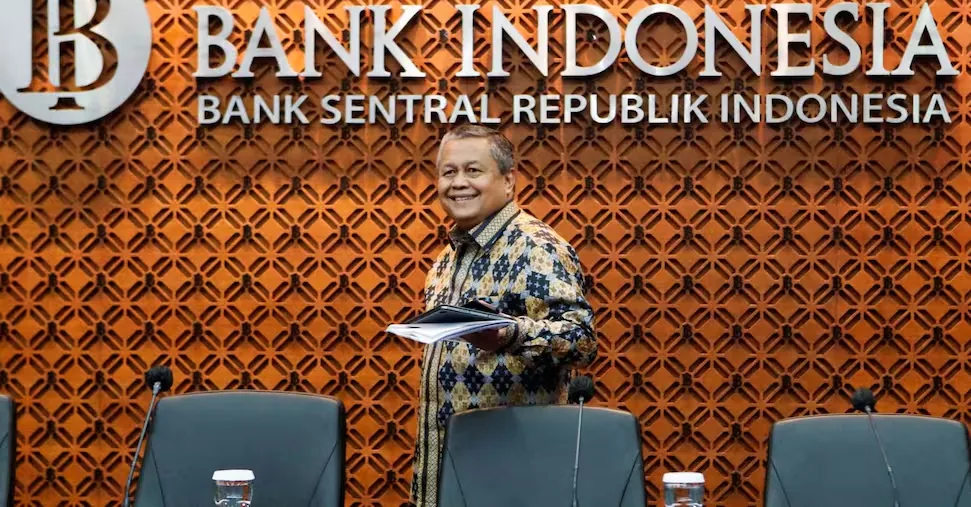
NEW DELHI – The recent, timid return of investor confidence in the Indonesian economy was seriously compromised today, July 27, by the sudden resignation “for personal reasons” of central bank governor Perry Warjiyo, considered one of the key figures in keeping the populist impulses of President Prabowo Subianto in check.
Read more The new tax system on the Third sector: regulations and clarifications
Ask the Sun
The questions are automatically suggested by 24Ore AI
based on the content displayed.
Warjiyo’s resignation, one of Asia’s most experienced central bankers, was announced during a press conference which the 67-year-old economist did not attend. His position will be temporarily taken by Deputy Governor Destry Damayanti. Investors reacted nervously to the news: the stock market closed slightly down, ten-year yields rose by 4 basis points, and the Indonesian rupiah – which has fallen about 7% since December 2025 – lost a further 0.3% against the dollar. “If investors believe that Bank Indonesia’s monetary policy is losing independence and credibility, the rupiah and Indonesian financial markets could come under strong pressure,” explains Daniel Tan, portfolio manager at Grasshopper Asset Management.
Warjiyo’s resignation comes at a delicate moment for Bank Indonesia, after President Prabowo appointed his nephew as deputy governor last January and after Parliament in June curtailed the central bank’s autonomy, further tying its mandate to economic growth, one of Prabowo’s flagship policies.
Read more Air transport, Italian historical record: 8,446 flights in one day
“That law has considerably thinned the institutional barrier separating Bank Indonesia, the government, and Parliament,” explains Liza Camelia Suryanata, head of research at PT Kiwoom Sekuritas Indonesia. Prabowo’s growth targets have been made more difficult to achieve by the energy crisis and a currency that continues to weaken despite interest rate hikes totaling 100 basis points over a few months.
Warjiyo’s resignation follows the departure last September of Finance Minister Sri Mulyani Indrawati, another figure trusted by foreign investors.
Read more Tax Scrapping-quinquies, the payment of the first or single installment is due on July 31st