









BRUSSELS – The European Commission has once again, on Monday, July 20, sanctioned a major digital company, reproaching the Chinese group AliExpress for not doing enough to prevent the sale of illegal, unsafe, and counterfeit products on its platform. The community executive has therefore accused the Asian company of violating the rules of the Digital Services Act. On this occasion, it imposed a fine of 550 million euros.
Read more Banking crashes, compensation of 1.35 billion to savers. Court of Auditors: more planning …
Ask the Sun
Questions are automatically suggested by 24Ore AI
based on the content viewed.
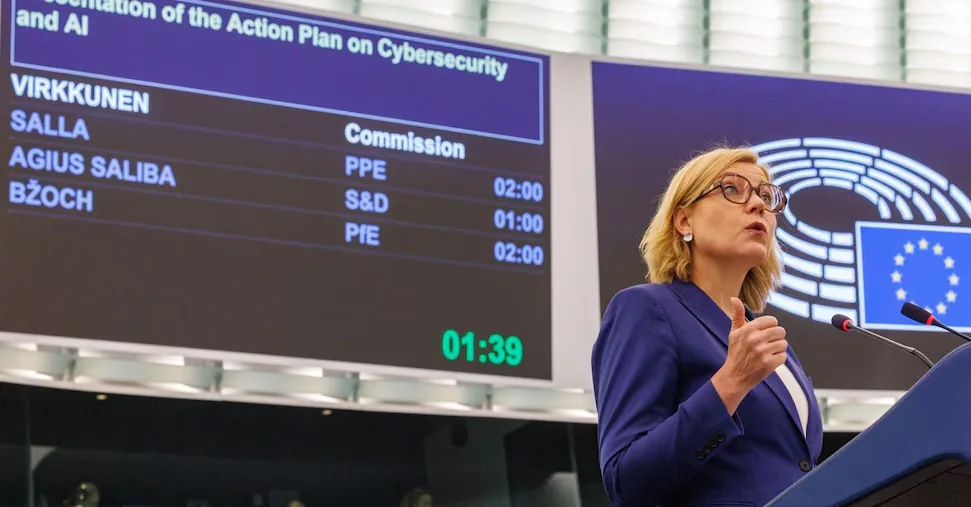
“The spread of counterfeit clothing, unsafe toys, dangerous cosmetics, and other illegal and harmful products,” explained the European Commission Vice President Henna Virkkunen in a statement, “is not an inevitable cost of online shopping: it is a failure by AliExpress to meet the obligations set out by the Digital Services Act. The scale of the activity is no excuse; risks must be identified and addressed systematically.”
In essence, the European Commission reproaches AliExpress for not having hired enough staff to evaluate the goods sold online; for not having assessed the risk that its promotional system contributed to spreading illegal products; and for using only one quantitative metric tool to minimize the presence of prohibited goods on its sales platform. Hence the fine of over half a billion euros.
Read more Bcc Bankers, increase of 518 euros, 35 hours and one more day of leave
The European Commission believes, among other things, that AliExpress does not have sufficient tools to assess the quality of goods, to punish sellers violating the rules, and to prevent the spread of counterfeit products. The decision regarding AliExpress comes after another Asian online trading platform, Temu, was sanctioned (200 million euros) for the same reasons (see Il Sole/24 Ore of May 29).
AliExpress now has until October 20 to present an action plan. The European Committee for Digital Services will have one month from receipt of the plan to give its opinion. Brussels will then have an additional month to adopt its final decision and set a reasonable deadline for implementation. Failure to comply with the non-compliance decision may result in the application of periodic financial penalties.
Read more Ukraine, decisive day for the appointment of the new military leader