







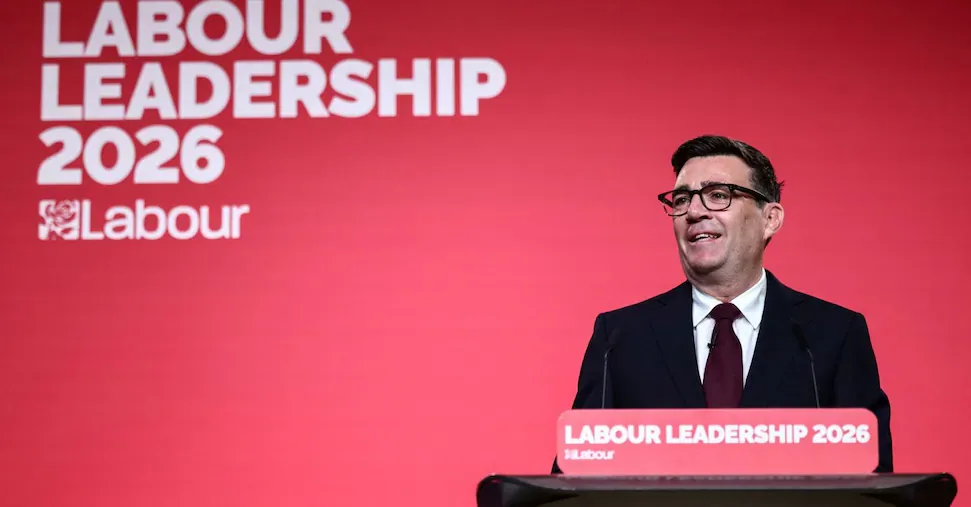
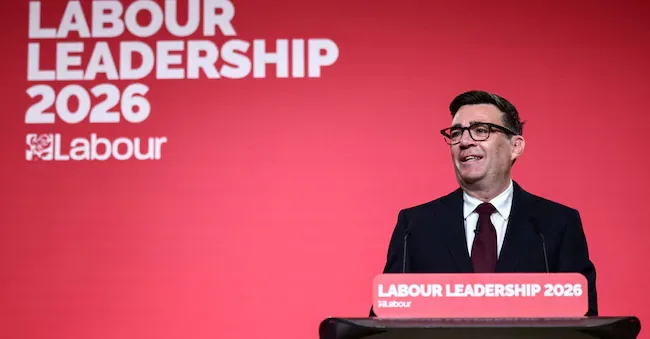
LONDON – Andy Burnham has been appointed leader of the Labour Party, the final crucial step in his rapid path to Downing Street. At an extraordinary Labour congress today in London, the former mayor of Manchester and sole candidate to succeed Keir Starmer officially became the leader of a party he has been a member of since he was 15 years old.
Read more For the swine plague, the Cinta Senese Piglet is at risk of extinction
Ask the Sun
The questions are automatically suggested by 24Ore AI
based on the content viewed.
Shabana Mahmood, current Home Secretary and chair of the Labour Party executive committee, stated that Burnham received the support of 379 Labour MPs, 95% of the total, as well as the backing of the 11 unions affiliated with the party and therefore appointed Burnham leader.
“I am ready and I have a plan,” Burnham said in his first speech, greeted by a standing ovation. The new leader declared that the government he will lead will be “resolutely Labour in our priorities and the decisions we make, putting people and places at the center of everything we do.” In practice, this means greater public control of the economy and a reindustrialization program that, he promised, will bring “growth to every postcode” in the UK and not just in wealthy London and its surroundings.
Read more Varese pushes Lombard Aerospace to a new record
The new leader committed to changing course, leading the country towards “a new path compared to the neoliberalism followed in the last forty years” and particularly criticized the decision made in the 1980s to centralize political power in Westminster and start privatizations. “This economic model has not worked for workers,” Burnham said, recalling that the Labour movement was “forged in factories, mines, and shipyards” and must return to its roots.
Priorities
Listing his priorities, Burnham said he wants to unite the Labour Party, too divided into factions because “only united can we defeat the right,” intends to form a government that reflects “all the souls of Labour,” make politics “less toxic,” but also initiate radical and lasting changes, with reforms in sectors such as social care that have so far been neglected because they are too complex.
Read more France, half of the farmers will retire by 2030: the challenge of generational renewal