







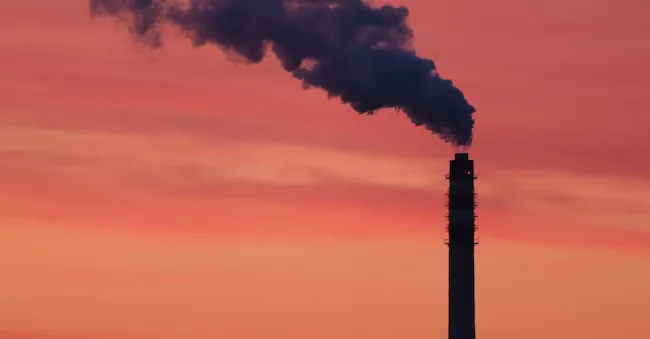
BRUSSELS – The European Commission today, Friday, July 17, presented a long-awaited reform of the harmful emissions market, known by the English acronym ETS. The proposal attempts to square the circle, accommodating pressures from some industrial sectors, but without calling into question the instrument born twenty years ago. Among other things, the reform provides for the obligation to use the money generated by the market to decarbonize the economy.
Read more Hunting: standoff, critical opposition and supportive farmers
In view of climate neutrality by 2050
“Our goal is to make the ETS an investment tool, compatible with climate, competitiveness, and energy independence objectives,” explained Climate Commissioner Wopke Hoekstra to a group of European newspapers including Il Sole 24 Ore. Ultimately, the reform must serve to align the ETS market with the new climate target, reducing harmful emissions by 90% by 2040, in view of climate neutrality by 2050.
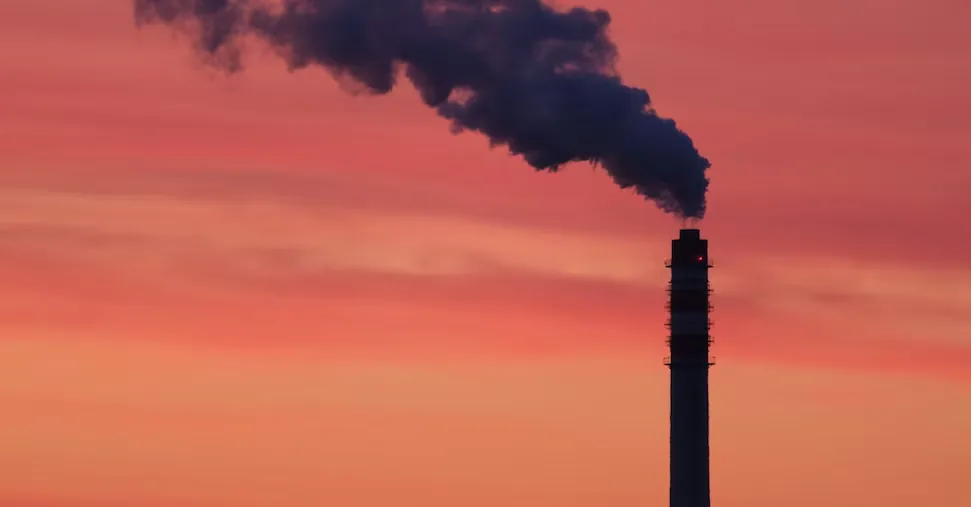
Recall that the harmful emissions market involves the purchase of emission allowances by the most polluting companies. Companies at risk of relocation, however, can benefit from free allowances. Certificates are auctioned by member countries. The polluter pays principle aims ultimately to incentivize environmentally friendly economic activities. Brussels explains that the ETS market has significantly contributed to the reduction of harmful emissions.
Read more The Relaunch of ProduceShop: 10 Million in Eight Months with an AI Platform
Some production sectors argue, however, that in certain fields energy efficiency has reached the maximum possible level, according to current technologies, so much so that they now consider the ETS a form of tax. They also complain about price volatility in the market. In this regard, business associations from Germany, France, and Italy – BDI, Medef, Confindustria – last week called for a radical review of the market.
The proposal
The proposal provides for continuing to distribute free certificates, even after 2030, revising the reduction curve of the number of certificates distributed free of charge to economic sectors at risk of relocation. Initially, from 2031 to 2035, the decline will be less steep. In the period 2036-2040, when the certificates distributed free of charge will become scarcer, companies will be able to bring in up to 2% of decarbonization projects developed in third countries.
Read more Axios, Trump furious with Netanyahu over criticism of F-35s to Turkey